
Introduction
Ovarian Cysts and Birth Control is a topic that concerns many women seeking answers about their reproductive health. Ovarian cysts are fluid-filled sacs that develop on or inside the ovaries and are relatively common during the reproductive years. While most cysts are harmless and resolve without treatment, some can cause symptoms such as pelvic pain, bloating, irregular periods, and discomfort that may require medical attention.
Understanding the connection between Ovarian Cysts and Birth Control is important because hormonal contraceptives are often used as part of a treatment strategy. Birth control pills can help regulate hormone levels and prevent ovulation, which may reduce the likelihood of developing certain types of functional ovarian cysts. As a result, healthcare providers frequently recommend hormonal contraceptives to women who experience recurrent ovarian cysts.https://usamedstores.org/
Many women are surprised to learn that Ovarian Cysts and Birth Control are closely linked in reproductive healthcare. While birth control pills do not typically eliminate existing cysts, they may help prevent new cysts from forming by stopping the monthly release of eggs from the ovaries. This preventive effect can be especially beneficial for women who have a history of recurring ovarian cysts.
In addition to helping manage ovarian cysts, birth control pills offer several other health benefits. Women exploring Ovarian Cysts and Birth Control may find that hormonal contraceptives can also help regulate menstrual cycles, reduce painful periods, improve acne, and manage hormone-related conditions such as polycystic ovary syndrome (PCOS). These added benefits make birth control an important option for many women seeking comprehensive reproductive health management.
If you have concerns about Ovarian Cysts and Birth Control, it is essential to consult with a qualified healthcare provider. Every woman’s health needs are different, and the most appropriate treatment depends on factors such as the type of cyst, age, symptoms, and medical history. This guide will explore the causes of ovarian cysts, how birth control pills work, their potential benefits and risks, and what women should know when considering hormonal contraception as part of their treatment plan.
Table of Contents
What Are Ovarian Cysts?
Ovarian Cysts and Birth Control is a topic that often arises when women are diagnosed with fluid-filled sacs that develop on or inside the ovaries. Ovarian cysts are relatively common and can occur at any age, although they are most frequently seen during a woman’s reproductive years. Most ovarian cysts are harmless and disappear without treatment, but some may cause symptoms that require medical attention.
Understanding Ovarian Cysts and Birth Control begins with knowing how cysts form. Many cysts develop as part of the normal menstrual cycle when an egg is released from the ovary. In some cases, the follicle that holds the egg does not release it properly or fails to dissolve after ovulation, leading to cyst formation.
Women researching Ovarian Cysts and Birth Control should know that not all cysts are dangerous. However, large or persistent cysts may cause pelvic pain, bloating, pressure, or menstrual irregularities. Early diagnosis and appropriate treatment can help prevent complications and improve reproductive health.
Types of Ovarian Cysts
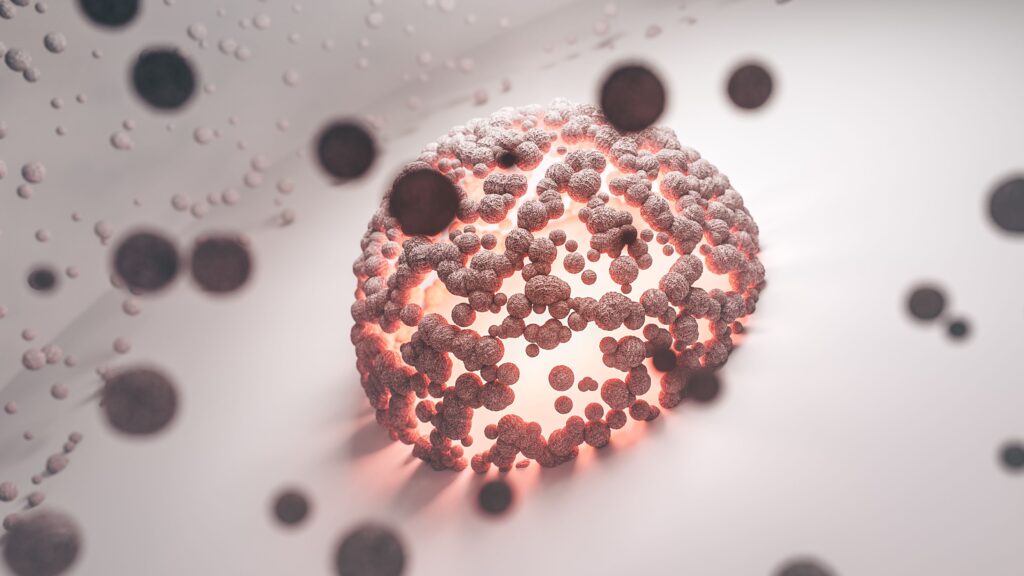
There are several types of ovarian cysts, each with different causes and treatment approaches. Understanding these types is essential when discussing Ovarian Cysts and Birth Control, as hormonal contraceptives may affect some cysts differently than others. The most common categories include functional cysts, dermoid cysts, cystadenomas, and endometriomas.
When exploring Ovarian Cysts and Birth Control, it is important to recognize that functional cysts are the most common and are often linked to ovulation. Other cyst types may develop from abnormal cell growth or underlying medical conditions such as endometriosis. The treatment plan often depends on the specific type of cyst identified.
A proper diagnosis is crucial when evaluating Ovarian Cysts and Birth Control treatment options. Healthcare providers typically use pelvic examinations and ultrasound imaging to determine the type, size, and characteristics of a cyst before recommending management strategies.
Functional Ovarian Cysts
Functional cysts are the most common type of ovarian cyst and are closely associated with Ovarian Cysts and Birth Control discussions. These cysts develop as part of the normal menstrual cycle and typically form when a follicle fails to release an egg or does not dissolve after ovulation. Most functional cysts are harmless and resolve naturally within a few menstrual cycles.
Because functional cysts are linked to ovulation, Ovarian Cysts and Birth Control are often connected in treatment plans. Birth control pills can prevent ovulation, reducing the likelihood of new functional cysts developing. This is one reason hormonal contraceptives are frequently recommended for women who experience recurrent cyst formation.
Women concerned about Ovarian Cysts and Birth Control should understand that while birth control may help prevent future functional cysts, it generally does not eliminate cysts that already exist. Regular medical monitoring is often recommended to ensure that cysts resolve properly.
Dermoid Cysts
Dermoid cysts are a unique type of ovarian cyst that can contain tissues such as hair, skin, teeth, or fat. Unlike functional cysts, dermoid cysts are not directly related to the menstrual cycle. Discussions about Ovarian Cysts and Birth Control often clarify that hormonal contraceptives do not prevent the development of dermoid cysts.
Many dermoid cysts are discovered during routine pelvic examinations or imaging studies. Although most are benign, larger cysts may cause discomfort, pressure, or complications such as ovarian torsion. Understanding the relationship between Ovarian Cysts and Birth Control helps women recognize that not all cysts respond to hormonal treatment.
When managing dermoid cysts, healthcare providers may recommend observation or surgical removal depending on the size and symptoms. Women researching Ovarian Cysts and Birth Control should consult a healthcare provider to determine the most appropriate treatment approach for their specific diagnosis.
Cystadenomas
Cystadenomas are ovarian cysts that develop from cells on the outer surface of the ovary and can become quite large. In discussions about Ovarian Cysts and Birth Control, it is important to note that cystadenomas are different from functional cysts and are generally not prevented by hormonal contraceptives.
These cysts may contain watery or mucus-like fluid and can sometimes grow large enough to cause abdominal swelling, pelvic pain, or pressure. Understanding Ovarian Cysts and Birth Control involves recognizing that certain cyst types require medical evaluation regardless of contraceptive use.
Treatment for cystadenomas depends on their size, symptoms, and potential complications. Women exploring Ovarian Cysts and Birth Control should be aware that surgery may be necessary if the cyst becomes large, painful, or raises concerns during diagnostic testing.
Endometriomas
Endometriomas, often called “chocolate cysts,” are associated with endometriosis, a condition in which tissue similar to the uterine lining grows outside the uterus. When discussing Ovarian Cysts and Birth Control, endometriomas are particularly important because hormonal contraceptives may help manage the underlying condition and reduce symptom severity.
Women with endometriomas often experience chronic pelvic pain, painful menstrual periods, and fertility challenges. Understanding Ovarian Cysts and Birth Control can help patients learn how hormonal therapies may assist in controlling hormone fluctuations that contribute to endometriosis progression.
Although birth control may help manage symptoms, larger endometriomas sometimes require surgical treatment. Women researching Ovarian Cysts and Birth Control should work closely with their healthcare providers to develop a treatment plan that addresses both symptom relief and long-term reproductive health goals.
Common Causes of Ovarian Cysts
Understanding the common causes of ovarian cysts is an important part of learning about Ovarian Cysts and Birth Control. Many ovarian cysts develop naturally during the menstrual cycle as part of the ovulation process. Functional cysts, which are the most common type, occur when follicles do not release an egg properly or fail to dissolve after ovulation.
Several medical conditions may also contribute to the development of ovarian cysts. When discussing Ovarian Cysts and Birth Control, healthcare providers often mention conditions such as endometriosis, polycystic ovary syndrome (PCOS), hormonal imbalances, and pelvic infections. These conditions can increase the likelihood of cyst formation and may require specialized treatment.
Women researching Ovarian Cysts and Birth Control should understand that risk factors vary from person to person. Hormonal fluctuations, pregnancy, previous ovarian cysts, and certain reproductive health conditions may all increase the chances of developing ovarian cysts. Identifying the underlying cause is essential for selecting the most effective treatment plan.
Signs and Symptoms of Ovarian Cysts
Recognizing the signs and symptoms of ovarian cysts is crucial when exploring Ovarian Cysts and Birth Control. Many ovarian cysts cause no symptoms and are discovered during routine pelvic examinations. However, larger cysts or cysts that cause complications may produce noticeable discomfort.
Common symptoms associated with Ovarian Cysts and Birth Control discussions include pelvic pain, abdominal bloating, feelings of fullness, irregular menstrual periods, and discomfort during intercourse. Some women may also experience lower back pain or pressure in the pelvic region. The severity of symptoms often depends on the size and type of cyst.
In rare cases, ovarian cysts can cause serious complications such as rupture or ovarian torsion. Women concerned about Ovarian Cysts and Birth Control should seek immediate medical attention if they experience sudden severe pelvic pain, dizziness, fever, or rapid breathing. Early diagnosis and treatment can help prevent more serious health problems.
How Ovarian Cysts Are Diagnosed
Accurate diagnosis is essential for managing Ovarian Cysts and Birth Control effectively. Healthcare providers typically begin with a review of symptoms, medical history, and a physical pelvic examination. These initial evaluations help determine whether additional testing is necessary.
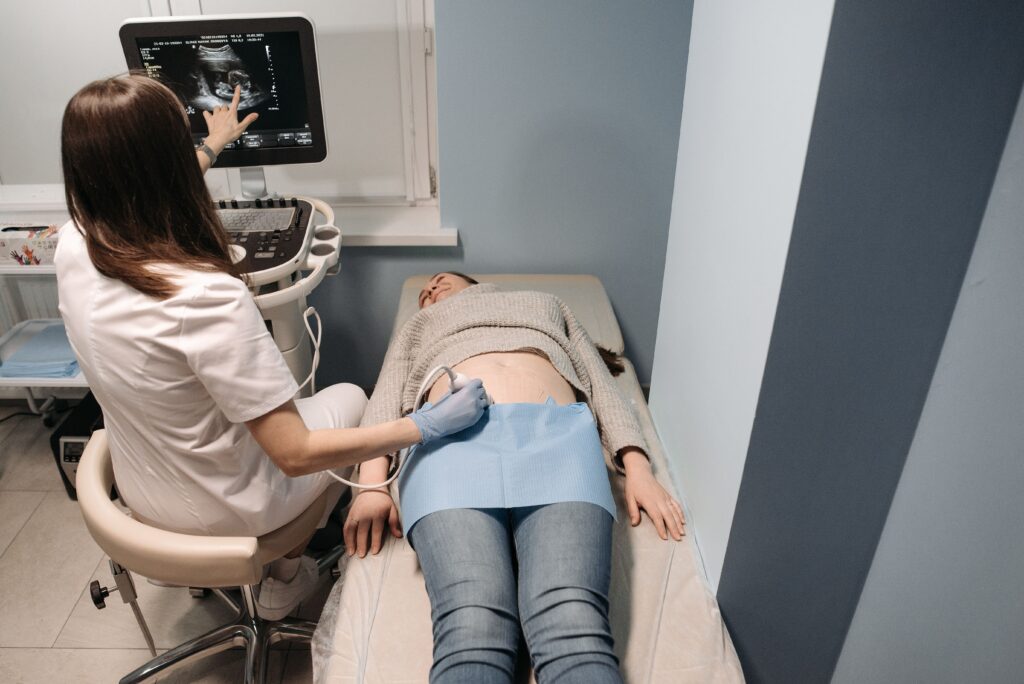
One of the most common diagnostic tools used in Ovarian Cysts and Birth Control evaluations is pelvic ultrasound imaging. Ultrasounds allow healthcare providers to examine the ovaries and determine the size, location, and characteristics of a cyst. This information helps distinguish between different types of ovarian cysts and guides treatment decisions.
In some situations, additional testing may be recommended. Blood tests, pregnancy tests, MRI scans, or follow-up imaging may be used when investigating Ovarian Cysts and Birth Control concerns. These tests help rule out other conditions and ensure that patients receive the most appropriate care for their specific situation.
Understanding the Connection Between Ovarian Cysts and Birth Control
The relationship between Ovarian Cysts and Birth Control is an important aspect of women’s reproductive healthcare. Hormonal birth control methods, particularly combination birth control pills, work by preventing ovulation. Since many ovarian cysts develop during the ovulation process, suppressing ovulation can help reduce the formation of new functional cysts.
Many healthcare providers discuss Ovarian Cysts and Birth Control when treating women who experience recurring functional cysts. By regulating hormone levels and reducing ovarian activity, birth control pills may lower the risk of future cyst development. This preventive effect makes hormonal contraception a common management strategy for certain patients.
It is important to understand that while Ovarian Cysts and Birth Control are closely connected, birth control pills generally do not shrink or eliminate cysts that already exist. Instead, they are primarily used to prevent new cysts from forming. Women should consult their healthcare provider to determine whether hormonal contraception is an appropriate part of their ovarian cyst treatment plan.
How Birth Control Pills Work
Understanding how birth control pills function is essential when discussing Ovarian Cysts and Birth Control. Birth control pills contain hormones that regulate the menstrual cycle and prevent ovulation. By stopping the ovaries from releasing an egg each month, these medications help reduce the chances of pregnancy while also influencing ovarian activity.
The connection between Ovarian Cysts and Birth Control is largely related to ovulation suppression. Functional ovarian cysts often develop during the ovulation process when follicles fail to release an egg or do not dissolve properly afterward. Birth control pills help reduce this risk by preventing the hormonal changes that trigger ovulation.
Women exploring Ovarian Cysts and Birth Control should know that hormonal contraceptives can also thicken cervical mucus and alter the uterine lining. While these effects primarily help prevent pregnancy, they also contribute to overall hormonal regulation, which may benefit women with recurrent ovarian cysts.
Can Birth Control Help Prevent Ovarian Cysts?
One of the most common questions regarding Ovarian Cysts and Birth Control is whether birth control can prevent cyst formation. In many cases, hormonal contraceptives can help reduce the risk of developing new functional ovarian cysts by suppressing ovulation. This preventive effect makes birth control a commonly recommended option for women with a history of recurring cysts.
When discussing Ovarian Cysts and Birth Control, it is important to understand that prevention mainly applies to functional cysts. Birth control pills are less effective at preventing other types of ovarian cysts, such as dermoid cysts, cystadenomas, or endometriomas, which develop through different biological processes.
Although Ovarian Cysts and Birth Control are closely linked, birth control should not be viewed as a guaranteed method of preventing all ovarian cysts. Women should consult their healthcare providers to determine whether hormonal contraception is an appropriate preventive strategy based on their individual health profile.
Benefits of Birth Control for Women with Ovarian Cysts
There are several benefits associated with Ovarian Cysts and Birth Control management. One of the primary advantages is the reduced risk of developing new functional ovarian cysts. By suppressing ovulation, birth control pills can help decrease the frequency of cyst formation in women who experience recurring ovarian issues.
Women exploring Ovarian Cysts and Birth Control may also benefit from improved menstrual cycle regulation. Hormonal contraceptives often help reduce heavy bleeding, painful periods, and hormonal fluctuations that contribute to discomfort. These improvements can significantly enhance a woman’s quality of life and overall reproductive health.
Another important aspect of Ovarian Cysts and Birth Control is the potential for symptom management. While birth control pills do not typically eliminate existing cysts, they may help reduce pelvic discomfort associated with hormonal changes. Many healthcare providers include hormonal contraceptives as part of a comprehensive treatment plan for women with recurring cyst concerns.
Types of Birth Control Used for Ovarian Cyst Management
Several contraceptive options may be used when addressing Ovarian Cysts and Birth Control. Combination birth control pills, which contain both estrogen and progestin, are among the most commonly prescribed methods. These pills effectively suppress ovulation and are often recommended for women who frequently develop functional ovarian cysts.
In addition to combination pills, healthcare providers may consider other options when managing Ovarian Cysts and Birth Control. Hormonal patches, vaginal rings, and certain injectable contraceptives also regulate hormone levels and may help reduce ovarian activity. The choice of method depends on individual medical needs and lifestyle preferences.
When selecting the most appropriate approach to Ovarian Cysts and Birth Control, healthcare providers consider factors such as age, medical history, reproductive goals, and tolerance to hormones. A personalized treatment plan helps ensure that women receive the greatest benefit while minimizing potential side effects and risks.
Potential Risks and Side Effects of Birth Control Pills
While Ovarian Cysts and Birth Control are often discussed in the context of prevention and management, it is important to understand the potential risks and side effects associated with hormonal contraceptives. Common side effects may include nausea, breast tenderness, headaches, mood changes, spotting between periods, and mild weight fluctuations. These symptoms are usually temporary and often improve as the body adjusts to the medication.
Women considering Ovarian Cysts and Birth Control should be aware that certain individuals may have a higher risk of experiencing complications from hormonal contraceptives. Factors such as smoking, high blood pressure, a history of blood clots, or cardiovascular disease may increase the likelihood of serious side effects. Healthcare providers carefully evaluate these risks before prescribing birth control pills.
Despite these concerns, many women successfully use hormonal contraceptives as part of their Ovarian Cysts and Birth Control management plan. Regular medical checkups and open communication with a healthcare provider can help monitor side effects and ensure that the chosen birth control method remains safe and effective.
Birth Control and Polycystic Ovary Syndrome (PCOS)
The relationship between Ovarian Cysts and Birth Control is especially important for women diagnosed with Polycystic Ovary Syndrome (PCOS). PCOS is a hormonal disorder that can cause irregular periods, elevated androgen levels, infertility challenges, and multiple small cysts on the ovaries. Hormonal birth control is commonly prescribed to help manage these symptoms.
Many women with PCOS benefit from Ovarian Cysts and Birth Control treatment strategies because hormonal contraceptives help regulate menstrual cycles and reduce androgen production. This can improve symptoms such as acne, excessive hair growth, and irregular bleeding while supporting overall reproductive health.
Although birth control does not cure PCOS, it remains one of the most effective tools for symptom management. Women exploring Ovarian Cysts and Birth Control in relation to PCOS should work closely with their healthcare providers to develop a personalized treatment plan that addresses both hormonal balance and long-term health concerns.
When Birth Control May Not Be Recommended
Although hormonal contraceptives are often used in Ovarian Cysts and Birth Control management, they are not suitable for every woman. Certain medical conditions may make birth control pills unsafe or increase the risk of serious complications. Women with a history of blood clots, stroke, severe liver disease, or certain cardiovascular conditions may need alternative treatment options.
Healthcare providers evaluating Ovarian Cysts and Birth Control treatment plans also consider lifestyle factors such as smoking, especially in women over the age of 35. In these situations, the risks associated with estrogen-containing contraceptives may outweigh the potential benefits. Alternative contraceptive or treatment methods may be recommended instead.
Women considering Ovarian Cysts and Birth Control should always discuss their complete medical history with a healthcare professional. A personalized evaluation helps determine whether hormonal contraception is the safest and most effective option for managing ovarian cysts and supporting reproductive health.
Alternative Treatments for Ovarian Cysts
Not all cases of Ovarian Cysts and Birth Control require hormonal treatment. Many ovarian cysts resolve naturally without intervention, particularly functional cysts that disappear within a few menstrual cycles. In these situations, healthcare providers may recommend monitoring the cyst through periodic pelvic examinations and ultrasound imaging.
For women who cannot use hormonal contraceptives, alternative approaches to Ovarian Cysts and Birth Control management may include pain-relief medications, lifestyle modifications, and treatment of underlying medical conditions. Addressing issues such as hormonal imbalances, endometriosis, or PCOS can sometimes help reduce the likelihood of future cyst development.
In more serious cases, surgical treatment may be necessary. When discussing Ovarian Cysts and Birth Control, healthcare providers may recommend surgery for large, persistent, or symptomatic cysts that do not resolve on their own. Early diagnosis and individualized care remain essential for achieving the best possible outcomes and preserving reproductive health.
Lifestyle Changes That May Support Ovarian Health
Maintaining a healthy lifestyle can play an important role in supporting reproductive wellness and complementing Ovarian Cysts and Birth Control management strategies. A balanced diet rich in fruits, vegetables, whole grains, lean proteins, and healthy fats may help support hormonal balance and overall ovarian function. Proper nutrition can also contribute to maintaining a healthy weight, which is important for reproductive health.
Regular physical activity is another beneficial component of Ovarian Cysts and Birth Control management. Exercise can help regulate hormone levels, improve insulin sensitivity, and reduce inflammation within the body. Women with conditions such as PCOS may particularly benefit from consistent physical activity as part of a comprehensive treatment plan.
Women interested in improving Ovarian Cysts and Birth Control outcomes should also prioritize stress management, adequate sleep, and regular medical checkups. Chronic stress and poor sleep habits may contribute to hormonal imbalances, making it important to adopt healthy lifestyle habits that support long-term reproductive health.
When to See a Healthcare Provider
Understanding when to seek medical attention is an important part of managing Ovarian Cysts and Birth Control concerns. While many ovarian cysts resolve without treatment, persistent symptoms such as pelvic pain, abdominal bloating, irregular menstrual cycles, or pressure in the lower abdomen should be evaluated by a healthcare professional.
Women dealing with Ovarian Cysts and Birth Control issues should seek immediate medical care if they experience sudden severe pelvic pain, dizziness, fainting, fever, or vomiting. These symptoms may indicate complications such as ovarian torsion or cyst rupture, which require prompt medical attention.
Regular healthcare visits are essential for women managing Ovarian Cysts and Birth Control. Routine examinations and follow-up imaging can help monitor cyst development, assess treatment effectiveness, and ensure that any changes in reproductive health are addressed early.
Frequently Asked Questions (FAQs)
1. Can birth control pills get rid of existing ovarian cysts?
In most cases, Ovarian Cysts and Birth Control treatments focus on preventing new functional cysts rather than eliminating existing ones. Many cysts disappear naturally over time without medical intervention.
2. Can birth control prevent all types of ovarian cysts?
No. While Ovarian Cysts and Birth Control are closely connected, hormonal contraceptives are primarily effective at preventing functional ovarian cysts. Other types, such as dermoid cysts and endometriomas, may not be prevented by birth control.
3. Is birth control safe for women with ovarian cysts?
For many women, Ovarian Cysts and Birth Control management using hormonal contraceptives is safe and effective. However, suitability depends on individual medical history and risk factors. A healthcare provider can help determine the best option.
4. What symptoms suggest an ovarian cyst may be serious?
Women managing Ovarian Cysts and Birth Control concerns should seek medical attention if they experience severe pelvic pain, sudden abdominal swelling, dizziness, fainting, or symptoms that worsen rapidly.
5. Can lifestyle changes help reduce ovarian cyst risk?
Healthy habits such as regular exercise, proper nutrition, stress management, and routine medical care can support overall reproductive health and complement Ovarian Cysts and Birth Control treatment strategies.https://www.nhs.uk/conditions/ovarian-cyst/
Conclusion: Managing Ovarian Cysts and Birth Control Effectively
Understanding the relationship between Ovarian Cysts and Birth Control is essential for women seeking effective ways to protect their reproductive health. While ovarian cysts are common and often harmless, some may cause symptoms or complications that require medical evaluation and treatment. Learning about the different types of cysts, their causes, and available treatment options can help women make informed healthcare decisions.
For many women, Ovarian Cysts and Birth Control management includes the use of hormonal contraceptives to reduce the risk of developing new functional cysts and regulate hormonal activity. Birth control pills can also provide additional benefits such as menstrual cycle regulation, reduced pelvic discomfort, and improved management of conditions like PCOS. However, treatment should always be tailored to the individual’s health needs and medical history.
Ultimately, successful Ovarian Cysts and Birth Control management requires a combination of medical guidance, healthy lifestyle choices, and ongoing monitoring when necessary. By working closely with a healthcare provider and staying informed about reproductive health, women can take proactive steps toward maintaining ovarian health and improving their overall well-being.